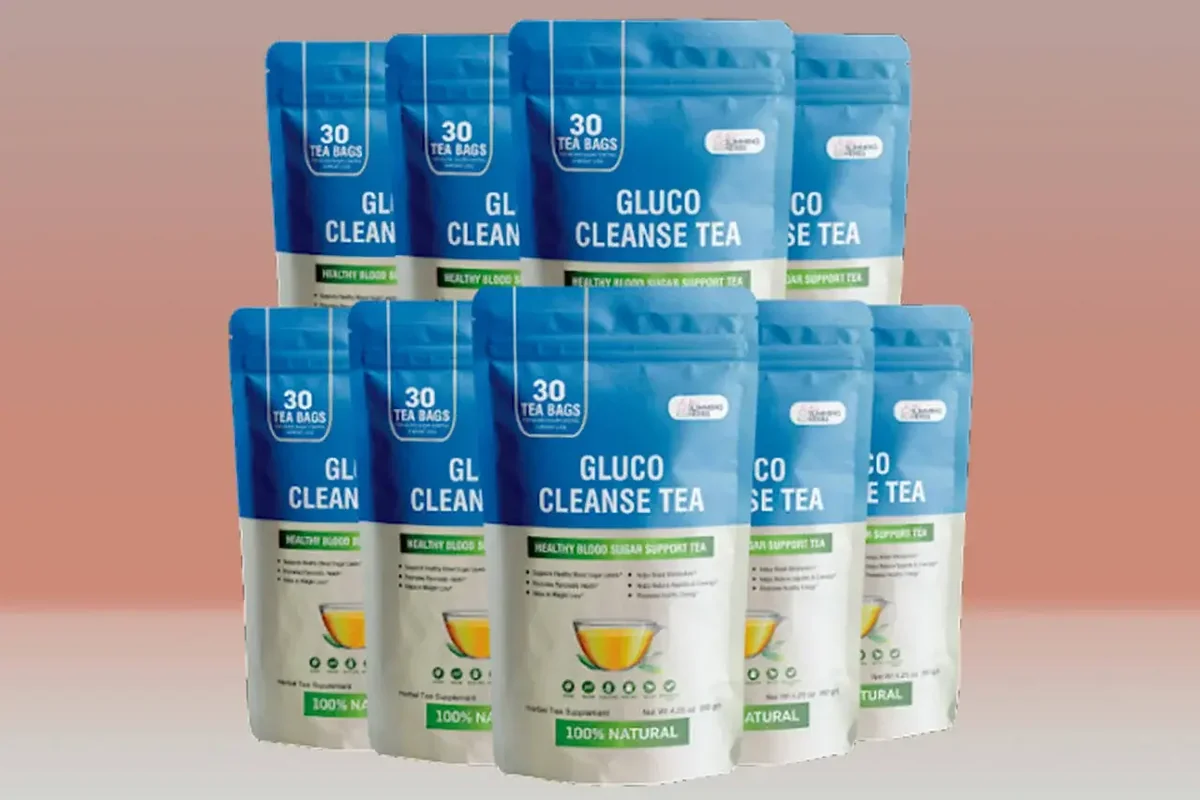
One cup a day instead of one capsule — a Himalayan-style loose-leaf blend of nineteen botanicals, several with genuine human glucose research. Here is what the herbs actually do, what nineteen ingredients in one pouch really means, and what it costs.
Check Today’s Price See Packages

A hot daily infusion — a format many people keep up far longer than a pill.
Gymnema, bitter melon, cinnamon, banaba, mulberry, fenugreek and more.
Blended in an FDA-registered, GMP-certified US facility.
One-time payment, with free shipping and bonuses on multi-pack orders.
One correction before anything else: some material promoting this product describes reversing or putting type 2 diabetes into remission. No tea does that. Remission is achieved through medical care, diet and weight change — an herbal infusion can support wellness habits, nothing more. Facilities are also FDA registered, never FDA approved.
Gluco Cleanse Tea is a loose-leaf herbal blend taken as one cup daily, marketed for blood sugar wellness, digestion and energy. Its pitch is presentation as much as pharmacology: a warm, Himalayan-style infusion of nineteen botanicals rather than another bottle of capsules.
The list is long and mostly recognisable: gymnema sylvestre, bitter melon, white mulberry, Ceylon cinnamon, banaba, fenugreek, turmeric, green tea, oolong, ginger, juniper, dandelion and ginseng, among others. Four or five of those carry real human research on glucose measures — a better hit rate than the herb count alone would suggest.
Now the arithmetic this page will not hide. A tea pouch holding nineteen herbs gives each one a token amount, and no amounts are disclosed. The gymnema research used 400 mg of concentrated extract daily; cinnamon trials used grams. A shared spoonful of loose leaf cannot deliver those. What it can deliver is a daily ritual, warm fluid, and a genuine nudge toward better habits — which is worth something, just not what the sales copy implies.
| Product type | Herbal tea (loose leaf) for blood sugar wellness |
| Serving | One cup daily, typically before or with a meal |
| Botanicals | 19 herbs — gymnema, bitter melon, mulberry, cinnamon, banaba, fenugreek, turmeric, green tea, ginger and more |
| Caffeine | Yes — contains green and oolong tea |
| Amounts disclosed | No — proprietary blend |
| Price | $69 (1) · $177 (3) · $294 (6) |
| Guarantee | 60-day money-back |
| Where to buy | Official website only |
Sold through the official website only. One-time payments, with free shipping and three bonus guides included on the 3 and 6-pouch packages.

Prices and bonuses shown were listed on the official order page when this page was last reviewed and are set by the seller. Confirm the package, total, shipping and the 60-day refund terms on the final order screen before paying.
Three plausible mechanisms, plus one that gets overlooked because it is not pharmacological at all.
Gymnema's gymnemic acids dull sweet-taste receptors and reduce intestinal sugar absorption; white mulberry and banaba act on carbohydrate breakdown and glucose uptake. Taken before a meal, this is the blend's most defensible timing.
Cinnamon has meta-analysis evidence for lowering fasting glucose in type 2 diabetes, bitter melon contains insulin-like compounds, and fenugreek's soluble fiber slows gastric emptying. All real mechanisms — all studied at doses far above a shared teaspoon.
The part no ingredient list captures: a warm cup taken deliberately each day adds fluid, displaces a sweetened drink, and anchors the diet changes that actually move glucose. For many people this is the largest real effect in the product — and it is not nothing.
The herbs that carry the evidence, stated honestly — plus a plain word about the other fourteen.
The “sugar destroyer”, and the best-credentialed herb in the blend. A 1990 study found gymnema extract reduced fasting glucose and HbA1c in type 2 diabetes over 18–20 months. Its sweet-taste blunting is also immediately noticeable — though as loose leaf in a shared pouch, the dose is far below the studied extract.
A 2013 meta-analysis in Annals of Family Medicine found cinnamon lowered fasting plasma glucose and improved lipids in type 2 diabetes. Ceylon is the correct species choice — much lower in coumarin than cassia — but gram-level research doses are not reachable in a nineteen-herb tea.
Contains charantin and polypeptide-p, compounds with insulin-like activity in laboratory work. Human trials are mixed and generally used concentrated extracts. Notably, bitter melon is not advised in pregnancy.
Mulberry leaf contains DNJ, which slows carbohydrate digestion; banaba supplies corosolic acid, studied for glucose uptake. Both are sensible inclusions with modest human data behind them.
The tea base itself: catechins support glucose metabolism and mild thermogenesis, with meta-analysis support on weight measures. It also means the blend is naturally caffeinated — relevant if you drink it in the evening.
Fenugreek's soluble fiber slows gastric emptying and has small glucose trials; turmeric and ginger contribute anti-inflammatory and digestive traditions. Useful company, not headline acts.
Juniper, dandelion, ginseng and the rest are traditional wellness botanicals with thin or absent clinical evidence for blood sugar specifically. In a nineteen-herb pouch their practical contribution is flavour and tradition — stated plainly rather than dressed up.
Each is a possibility rather than a promise, and none has been demonstrated with the finished product. “Reverses type 2 diabetes” is deliberately absent — no tea does that, whatever the sales page says.
Several herbs act on sugar absorption and insulin response, each with published human research at higher doses.
Gymnema's sweet-taste blunting is the most immediately noticeable effect — dessert genuinely tastes flatter.
A warm daily cup is easier to keep up than a capsule regimen, and it displaces a sweetened drink.
Unglamorous but real: an extra cup of unsweetened fluid a day helps most people.
Ginger, fenugreek and dandelion are long-standing digestive botanicals in infusion form.
Green and oolong tea give mild, even lift without the crash of a sugary drink.
The 3 and 6-pouch packages include three digital guides at no extra cost, alongside free shipping.


These are digital guides delivered after purchase. Treat them as a small extra: the deciding factors should be the per-pouch price and whether a daily tea ritual suits you.
Three themes recur in buyer feedback: the taste is earthy and takes some getting used to, the sweet-craving effect shows up early, and glucose numbers move slowly if at all — with the happiest drinkers treating it as a ritual around real diet changes.
“The flavour is properly herbal — not a pleasant fruity tea, and I add a squeeze of lemon. What surprised me is the sweet-taste effect: two weeks in, my evening biscuit lost its appeal. My fasting readings are a little better, though I have also been walking after dinner, so I am honest about not knowing which mattered.”
Patricia L., 59 — Oregon
“My doctor said fine alongside my metformin as long as I tested more often for a month, which I did and which anyone should. No hypos, no stomach trouble. I like the ritual more than I expected — it replaced my afternoon soda entirely. Four stars: I want the herb amounts on the pouch.”
Raymond K., 64 — Georgia
“Bought three pouches for the price break. It is a nice cup and it makes me feel like I am doing something for myself, but I will be straight: I did not see a dramatic change in my numbers. What changed was my snacking. If you buy this expecting a cure, do not — the claims floating around about diabetes reversal are nonsense.”
Sandra M., 52 — Illinois
Testimonials are illustrative and not typical. Individual results vary, and no outcome is guaranteed.
From about $1.63 a day on the six-pouch package, with free shipping, three bonus guides and 60 days to change your mind.
One-time payment · No subscription · Secure checkout
Sixty days from purchase on official-website orders — enough for a fair trial of a daily habit, and enough to check the numbers that matter with a meter or a follow-up test.
The maker describes a straightforward refund on contacting support within the window. Keep your order confirmation email — it carries the order number — and note that any listing bought elsewhere sits outside this guarantee entirely.
Gymnema, cinnamon, bitter melon and banaba all push glucose downward. Stacked on metformin, a sulfonylurea or insulin, the combined effect can overshoot — this is a real interaction, not boilerplate.
Current pricing, the three bonus guides, free multi-pack shipping and the 60-day guarantee apply only there.
Confirm the package, total, shipping and refund terms before paying, and check for pre-selected extras. Save the confirmation email.
One cup daily, ideally before a meal, kept up for a month alongside honest diet changes. Then check a fasting reading or an HbA1c. Numbers decide, not feelings.
Gluco Cleanse Tea is sold through the official website only. Listings under the name on Amazon, Walmart or eBay are unauthorised resellers or counterfeits, outside the 60-day guarantee.
Loose herbal tea is especially unforgiving of bad storage — volatile oils fade, and stale leaf looks identical to fresh in a photograph. A marketplace pouch priced well below $49 is old stock or a knock-off, and you would have no way to tell.
Secure your Gluco Cleanse Tea package while the current pricing holds. Official website only, one-time payment, with free shipping and all three bonus guides on the multi-pouch bundles.

Gluco Cleanse Tea is a loose-leaf herbal tea taken as one cup daily, blending 19 botanicals including gymnema sylvestre, bitter melon, white mulberry, Ceylon cinnamon, banaba, fenugreek, turmeric, green tea, oolong and ginger. It is marketed for blood sugar wellness, digestion and energy, blended in an FDA-registered US facility and sold with a 60-day money-back guarantee.
Through several plausible mechanisms: gymnema blunts sweet taste and reduces intestinal sugar absorption, mulberry and banaba act on carbohydrate breakdown and glucose uptake, cinnamon and bitter melon support insulin response, and fenugreek's soluble fiber slows gastric emptying. There is also a non-pharmacological effect worth naming — a daily warm cup adds fluid, displaces sweetened drinks and anchors better habits.
The finished tea has not been clinically studied. Several of its herbs have genuine human research: gymnema reduced fasting glucose and HbA1c in a long-term type 2 diabetes study, and cinnamon lowered fasting glucose across ten randomised trials. The honest limitation is dose — those studies used 400 mg of concentrated extract or grams of cinnamon, while nineteen herbs sharing one pouch means token amounts of each. Expect support for good habits, not a medication-scale effect, and check your own readings.
No. Some material promoting this product suggests remission or reversal, and that claim is not supported. Type 2 diabetes remission is pursued through medical care, sustained dietary change and weight loss under supervision — not through an herbal infusion. Treat any page promising reversal as marketing rather than information, and keep your treatment plan with your doctor.
Nineteen botanicals, including gymnema sylvestre, bitter melon, white mulberry, Ceylon cinnamon, banaba, fenugreek, turmeric, green tea, oolong tea, ginger, juniper, dandelion and ginseng. Per-herb amounts are not disclosed — the main transparency gap. Several of the remaining herbs are traditional wellness inclusions with thin clinical evidence for blood sugar specifically.
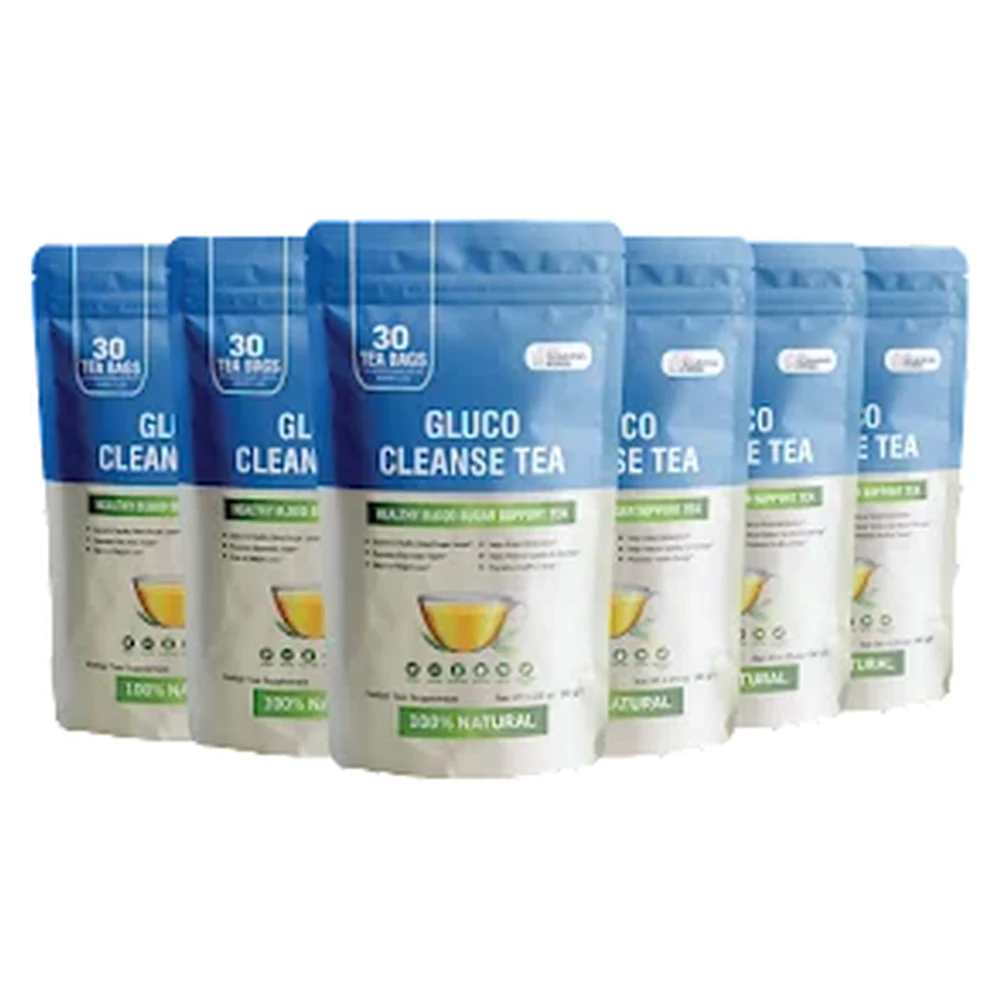
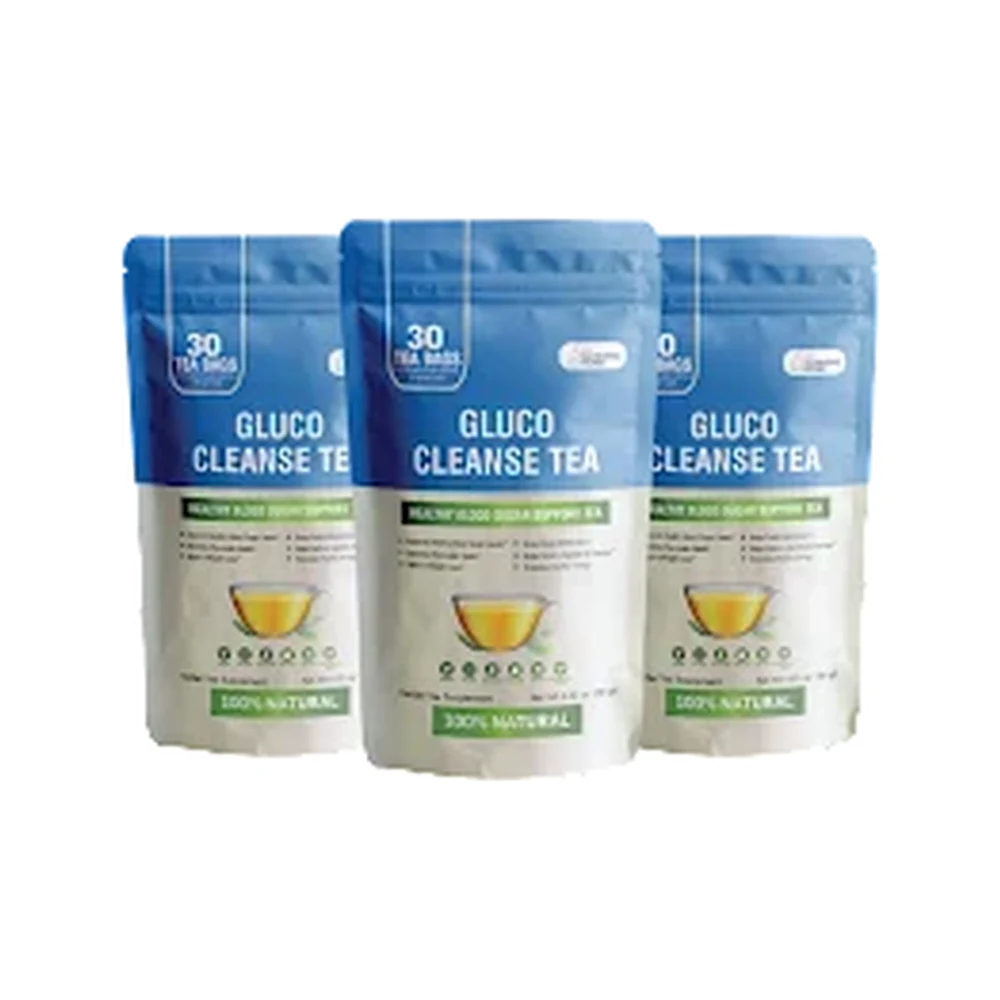
From the official order page: one pouch is $69 plus shipping, three pouches are $177 ($59 per pouch, 90-day supply) and six pouches are $294 ($49 per pouch, 180-day supply) — about $1.63 a day. The multi-pouch packages include free shipping and three bonus guides. All one-time payments; confirm the total at checkout.
One cup daily, prepared like any loose-leaf tea — steep in hot (not boiling) water for several minutes and strain. Taking it shortly before a meal makes the most sense mechanistically, since the sugar-absorption effects apply to that meal. The flavour is earthy and herbal rather than fruity; lemon helps if it is not to your taste.
Yes. The blend includes green tea and oolong tea, so it is naturally caffeinated — roughly in the range of a normal cup of tea rather than coffee. If you are caffeine-sensitive or sleep poorly, drink it earlier in the day rather than in the evening.
The herbs are generally well tolerated as an infusion; mild digestive upset is the most commonly reported effect. Three real cautions: the additive glucose-lowering effect with diabetes medication needs a doctor's sign-off and closer testing; bitter melon and fenugreek are not advised in pregnancy; and the caffeine content matters if you are sensitive. Stop and seek advice if you feel shaky, sweaty or unusually light-headed — those can be low blood sugar.
Not without your doctor. Gymnema, cinnamon, bitter melon and banaba all push blood glucose in the same direction as metformin, sulfonylureas or insulin, and the combination can drop it too far. If your doctor approves, test more frequently for the first month. It is an addition to a treatment plan, never a replacement.
No — no dietary supplement or herbal tea is FDA approved. Supplements are regulated as food without pre-market efficacy review. The product is blended in an FDA-registered, GMP-certified US facility, which describes manufacturing standards rather than approval.
Sixty days from purchase, through the official website's support channel — which is also the only place the current pricing, free multi-pack shipping and bonus guides apply. Keep your order confirmation email for the order number. Marketplace listings under the name are unauthorised, outside the guarantee, and impossible to verify for freshness.
Real, verifiable PubMed records covering ingredients in this formula. None tested Gluco Cleanse Tea itself.
Regular Price: $99/per pouchToday: $49/per pouch
On the 6-pouch package · About $1.63 a day · Free shipping · 3 bonus guides included
Get Your Discount NowOne-time payment · No subscription · 60-day money-back guarantee
The four things that decide it, side by side.
A hot daily ritual instead of a capsule — genuinely easier to sustain, adds fluid, and displaces sweetened drinks. The most underrated part of the product.
Gymnema, cinnamon, mulberry, banaba and green tea all have published human glucose research. The evidence floor is better than the herb count would suggest.
Nineteen herbs, no amounts disclosed. Gymnema research used 400 mg of extract; cinnamon trials used grams. A shared spoonful of loose leaf cannot reach those.
It does not reverse diabetes. Any page saying so is selling, not informing — and if you take diabetes medication, this needs a doctor's approval first.
The verdict — 4.8/5: a pleasant, defensible wellness habit wearing marketing that badly oversells it. Strip away the remission talk and what remains is decent: a handful of genuinely researched botanicals, a format people actually keep up, and a warm cup that crowds out worse drinks. At about $1.63 a day on the six-pouch package with free shipping and a 60-day window, the downside is small. But nineteen undisclosed herbs in one pouch means token doses, so expect support for your habits rather than a measurable glucose effect — and check a meter rather than trusting the feeling. Anyone on diabetes medication clears it with a doctor first, and nobody should treat this as treatment.